GirlZone: A Safe Space to Learn, Grow and Lead
Across Palestine, adolescent girls are growing up amid increasing social, economic, and humanitarian pressures that affect their wellbeing, education, relationships, and opportunities for participation.
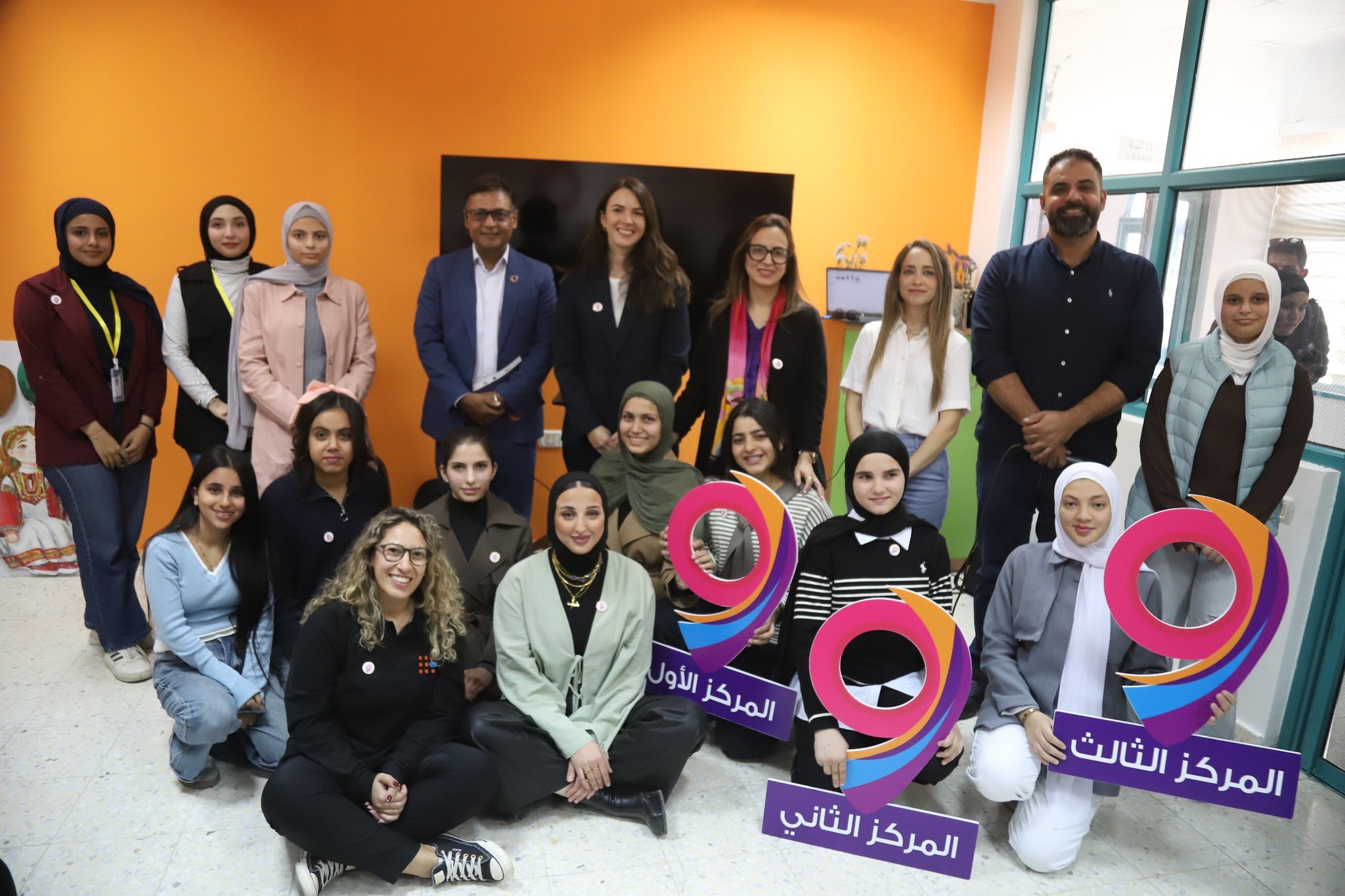
In response, Sharek Youth Forum, in partnership with the United Nations Population Fund (UNFPA) and local organisations through the Sharek Partners Alliance, developed GirlZone for girls aged 10–18 years across the West Bank and Gaza.
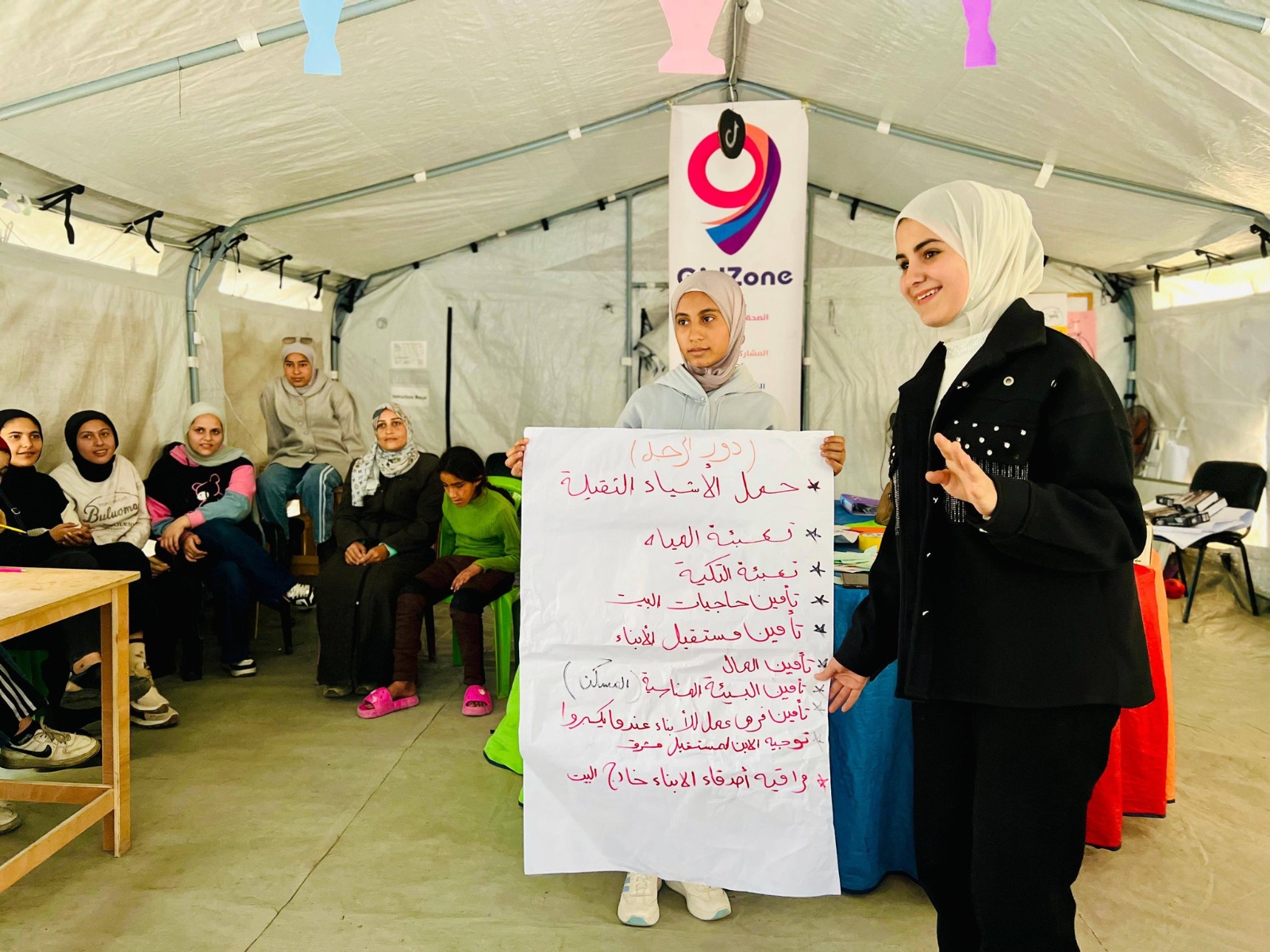
GirlZone is more than a series of workshops. It is a journey of learning, self-discovery, expression, and empowerment, providing girls with safe and supportive spaces where they can build confidence, strengthen resilience, develop practical skills, and connect with their peers and communities.
What GirlZone Offers
The programme combines:
- Mental health and psychosocial wellbeing
- Holistic health and body awareness
- Life skills and self-confidence
- Leadership and community engagement
- Financial and digital skills
- Creative expression through art and theatre
- Healthy relationships and family engagement
- Inclusive opportunities for girls with disabilities
Activities are delivered through participatory approaches including discussions, games, teamwork, storytelling, art, theatre, and practical exercises, creating an engaging experience that responds to girls’ different needs and realities.
GirlZone at a Glance
2,500+ Adolescent Girls Reached
Across the West Bank and Gaza since October 2025.
20 Community Centres
Providing safe and supportive spaces for girls.
Ages 10–18
Supporting girls during a critical stage of personal and social development.
Creating Lasting Change
GirlZone aims to create change that extends beyond the programme itself. Girls strengthen their confidence, communication, wellbeing, decision-making, and ability to seek support, while becoming more active within their families and communities.
Parents, facilitators, community centres, and local partners are also engaged to strengthen the support systems surrounding girls and help create environments where they can continue to learn and thrive.
Looking Ahead
Sharek aims to continue expanding GirlZone across Palestine, strengthening safe and inclusive spaces, increasing opportunities for girls with disabilities and those facing heightened vulnerabilities, and creating more pathways for girls’ leadership and community participation.
Our Vision: Every girl empowered to learn, lead, and shape her own future.